
Opinion, 7 min read
A $19 spring-and-damper kit turns good pedals into great ones. So why isn’t it in the box?
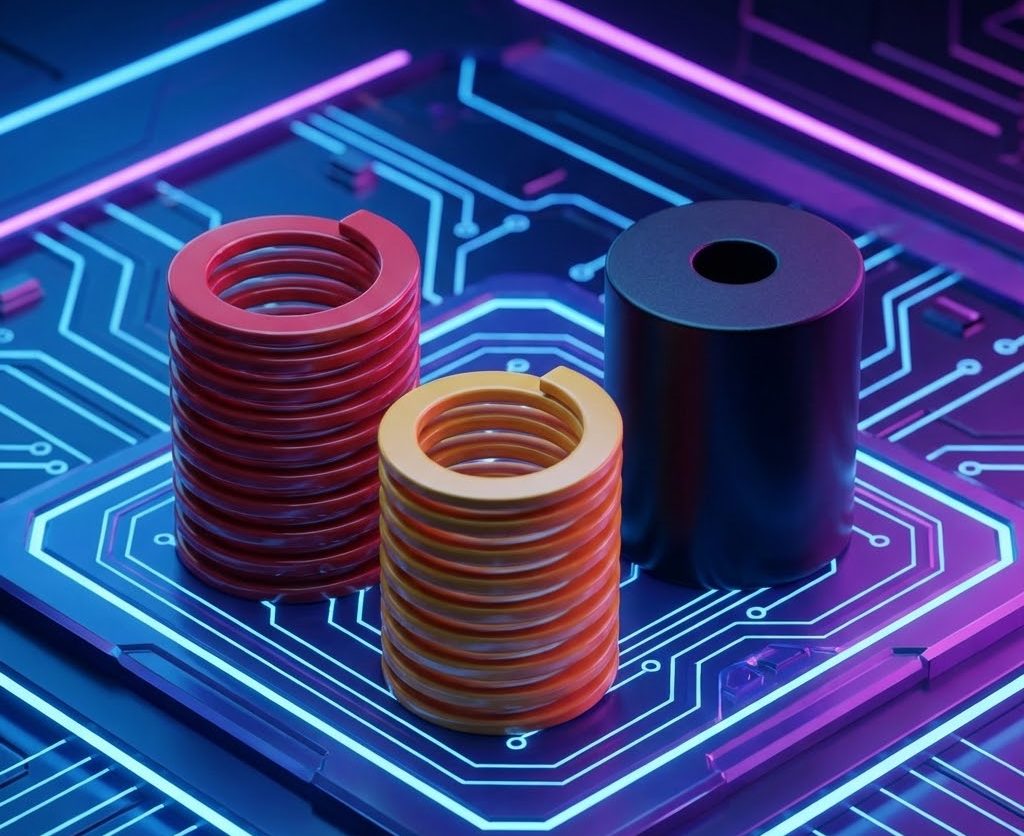
I remember the moment I first hit the brakes on my brand new Moza SR-P pedals. I’d just bolted them to my rig, fired up Assetto Corsa, rolled into Turn 1 at Spa, and pressed the brake pedal expecting that firm, confidence-inspiring bite you dream about when upgrading to load cells. What I got instead was mush. Soft, vague, lifeless mush. The fix, as I’d soon learn, was the Moza SR-P Accessory Kit — and it shouldn’t be a separate purchase.
For about ten minutes, I genuinely thought I’d made a mistake. Then I started digging through forums, watched a couple of YouTube videos, and discovered the same thing thousands of other SR-P owners have discovered: the pedals don’t really come alive until you buy the $19 Accessory Kit. Two extra springs, one alternative damper, a quick swap, and suddenly the brake felt like a brake. The immersion difference was night and day.
Here’s my thesis, and I’m not going to hedge it: the Moza SR-P is a fantastic pedal set, but shipping it without the accessory kit springs and damper is like selling a car without the seats adjusted — technically functional, practically incomplete. Moza should include these components as standard, full stop.
What’s in the Moza SR-P Accessory Kit (And What’s Missing Without It)
Let’s give credit where it’s due. The SR-P spec sheet at $129-$139 for the 2-pedal set is genuinely impressive. You get a 100KG load cell with dual-sensor fusion, 15-bit magnetic encoders running at 32,768 PPR, reinforced steel construction, and an organ-style throttle. On paper, this thing punches way above its price class.
The problem is what ships in the box for the brake: one spring and one damper. That’s it. One configuration. And that single configuration produces a brake feel that BoostedMedia accurately describes as “fairly lifeless” with a “lack of any progression or threshold point.”
You end up braking by pedal position rather than pressure, which completely defeats the purpose of having a load cell in the first place.
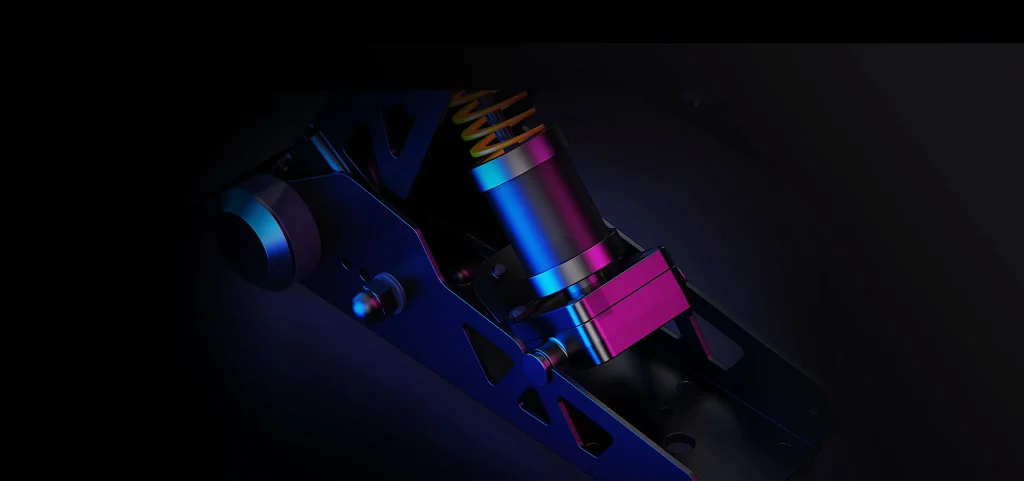
The $19 Accessory Kit adds two additional springs of varying stiffness and one alternative damper. Together with the stock components, this unlocks six different brake feel combinations.
After I installed the stiffer spring and swapped in the firmer damper, the transformation was immediate. The brake had weight, progression, a threshold point I could modulate around. It felt like the pedal the specs promised.
As one user on Moza’s own product page put it: the kit is “critical in getting the brake pedal feel I wanted” — it finally “feels like a real brake pedal.” That’s not an upgrade. That’s the baseline experience a load cell pedal should deliver out of the box.
Everyone Else Figured This Out Already
This isn’t some radical idea I’m proposing. Including multiple brake feel options with load cell pedals is standard practice across the industry. Moza isn’t following the trend here — they’re the outlier.
Fanatec’s CSL Load Cell ships with three elastomers at different Shore hardness ratings (65, 75, and 85) plus springs, all in the box at no extra cost. Swapping them is tool-free and takes seconds. The full load cell setup runs about $220, and you get everything you need to dial in your preferred feel on day one.
Heusinkveld’s Sprint pedals go even further — six rubber stack heights, adjustable preload, adjustable pedal geometry, all included at $549-$600 for the 2-pedal set. Premium price, sure, but nothing sold separately. You buy the product, you get the whole product.
Even the aftermarket has weighed in. Companies like Tracktility and SimRacingKit sell third-party spring and damper upgrades specifically for the SR-P. When a cottage industry springs up to fix a gap in your product, that’s a signal worth listening to.
The Math Doesn’t Add Up
Let’s talk manufacturing costs for a second. The accessory kit contains two coil springs and a rubber damper. These are basic mechanical components, and the manufacturing cost is almost certainly a few dollars per unit.
Moza retails it at $19. That’s a steep markup on parts that should be considered essential, not optional.
Including the kit in the box would add maybe $5-$10 to the retail price, putting the SR-P at roughly $139-$149. That still comfortably undercuts Fanatec’s $220 load cell setup while offering arguably better specs — the 15-bit encoders and dual-sensor fusion are genuine technical advantages.
But here’s the real cost Moza isn’t accounting for: first impressions. New buyers experience that soft, underwhelming brake, leave negative reviews, and tell their friends the SR-P isn’t great. The community sentiment on Moza’s own product page tells the story. One buyer wrote, “definitely should come included already, the pedals without it are not that great.” Another was even more blunt: “this really should’ve come with the pedals, they’re worse than the logitech without it.”
Worse than Logitech. That’s the first impression Moza is leaving on new customers buying what is otherwise a genuinely excellent product. The “true” price of the SR-P as a competitive load cell pedal set is $178-$188, not $129-$139. That asterisk matters when people are comparison shopping.
The Other Side — Why Moza Might Disagree
I want to be fair here because there are legitimate business arguments for keeping the kit separate. The $129 price tag is a powerful marketing hook. “Load cell pedals for $129” grabs eyeballs and undercuts everyone on paper. That’s real.
Some buyers do genuinely prefer a softer brake feel or have lighter braking styles. The kit is, in theory, optional customization rather than a mandatory fix. And keeping it separate lets the most price-sensitive buyers get into load cell territory at the absolute lowest entry point, then upgrade later when budget allows.
There’s also the obvious revenue angle. At $19 per kit with manufacturing costs of a few bucks, this is a high-margin accessory line. Moza is a business. I get it.
These are reasonable arguments. But I think they come at too high a cost to customer satisfaction and long-term brand perception. Community sentiment heavily disagrees that the stock feel is acceptable, and “great pedals, but you need to spend another $19” is a weaker recommendation than “great pedals, period.”
The Bigger Picture — The “Incomplete Product” Problem
This isn’t just about Moza, honestly. The SR-P situation is part of a broader pattern in sim racing hardware — and gaming peripherals in general — where manufacturers sell a base product that requires additional purchases to reach its potential. We’ve seen it with wheels, rigs, and now pedals.
For sim racing newcomers — the exact audience that the SR-P’s price point targets — the experience of buying a product, being disappointed, and then discovering you need to spend more is genuinely discouraging. Load cell pedals are the single most impactful upgrade a sim racer can make. If someone’s first load cell experience is bad because the manufacturer held back a few springs, that’s a failure of product design, not user expectation.
Moza has built genuine goodwill with the sim racing community through competitive pricing and solid hardware. Including the accessory kit would cost them almost nothing and would turn the SR-P from a “great pedals, but…” recommendation into an unconditional one.
The Bottom Line
I love my SR-P pedals — with the Moza SR-P Accessory Kit installed. That distinction shouldn’t need to exist. With the kit, these are among the best budget load cell pedals you can buy right now.
Without it, the Moza SR-P brake feel doesn’t deliver on the promise of its own spec sheet. Moza should bundle these springs and damper as standard.
If you’re buying the SR-P, my practical advice is this: budget for the accessory kit from day one. Treat $148-$158 as the real price. Don’t even bother forming an opinion about the brake feel until you’ve swapped in the stiffer components.
The pedals you’ll end up with are excellent. Just know that Moza makes you pay a little extra to get there.
Now I want to hear from you. Do you own the SR-P, and did you buy the accessory kit or are you running stock? Drop a comment below and tell me — should Moza include the kit in the box, or is keeping the base price as low as possible the right call?